Tata Nano EV 2026 Explained: The idea of an affordable electric car made for real Indian roads continues to excite urban buyers. Tata Nano EV 2026 is being talked about as a practical electric hatchback that understands daily city struggles. From bumper-to-bumper traffic to tight parking spaces, city driving demands simplicity more than luxury. With rising fuel costs and growing EV awareness, a compact electric Nano could fit perfectly into modern urban life, especially for people looking for a no-nonsense daily commuter.
Compact Body Built For Chaos
City roads are unpredictable, and that is where a small car becomes a big advantage. Tata Nano EV 2026 is expected to retain its ultra-compact dimensions, making it easy to drive through narrow streets and crowded neighborhoods. Parking in tight spaces becomes less stressful, and U-turns on busy roads feel manageable. This size-focused approach is ideal for urban commuters who deal with limited space every single day.

Electric Drive Made For Traffic
Electric powertrains shine the most in city conditions, and Nano EV is expected to use this strength wisely. Smooth acceleration, instant torque, and silent movement make daily drives more comfortable. Stop-and-go traffic becomes less tiring without gear shifts or engine noise. The electric setup would focus on efficiency and ease rather than speed, which suits urban commuting where practicality matters more than performance.
Practical Range Without Overkill
For daily city use, a massive driving range is not always necessary. Tata Nano EV 2026 is expected to offer a balanced range that comfortably covers office commutes, school runs, and shopping trips. Charging overnight at home could be enough for most users, reducing the need for frequent public charging. This practical approach helps keep costs under control while meeting real-world driving needs.
Simple Charging For Daily Life
Ease of charging is critical for first-time EV buyers. The Nano EV is likely to support standard home charging, allowing owners to plug in overnight without complicated setups. This makes the transition from petrol to electric much smoother. With predictable daily usage, users can build a routine around charging, turning the EV experience into a stress-free part of everyday life.

Clean Design With Modern Touch
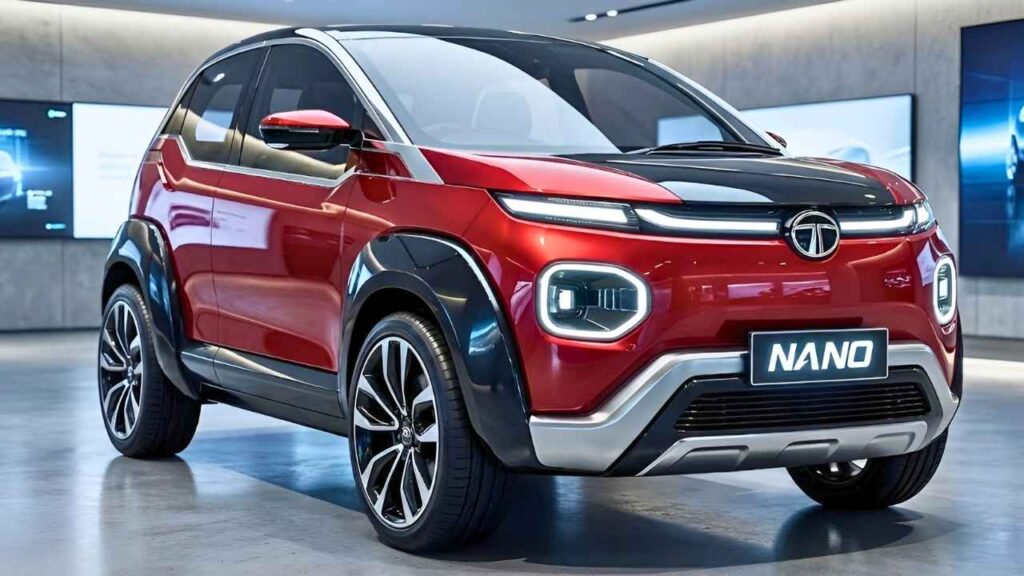
The design of Tata Nano EV 2026 is expected to evolve without losing its identity. A refreshed exterior with modern lighting elements and a cleaner front profile could give it a contemporary electric look. Compact proportions would remain the highlight, while subtle styling updates help it feel relevant in today’s market. The focus would stay on functionality, not flashy design.
Interior That Keeps Things Easy
Inside the cabin, simplicity is likely to be the main theme. A straightforward dashboard layout, easy-to-read digital displays, and comfortable seating could define the interior experience. Basic infotainment features and smartphone connectivity may be included to meet modern expectations. The Nano EV would likely avoid unnecessary complexity, making it user-friendly for first-time car owners and senior drivers alike.
Safety That Matches Modern Needs
Safety expectations have grown across all car segments, including compact city cars. Tata Nano EV 2026 may come equipped with essential safety features such as airbags, ABS, and electronic stability systems, depending on the variant. Improved structural strength and better braking performance could add confidence to daily drives. Even in a small car, safety remains a crucial factor for urban families.

Budget Friendly Electric Entry
Affordability remains the strongest reason people talk about the Nano name. The electric version is expected to target buyers looking for the most accessible entry into electric mobility. Lower running costs, reduced maintenance, and possible government incentives could make ownership easier on the wallet. For households upgrading from two-wheelers or older petrol cars, Nano EV could feel like a sensible next step.
Perfect Match For Urban India
Indian cities demand cars that are easy to own, easy to drive, and easy to maintain. Tata Nano EV 2026 seems aligned with these needs. Its compact size, electric efficiency, and expected affordable pricing make it suitable for daily urban use. Rather than trying to compete with larger EVs, it focuses on solving everyday mobility problems faced by millions of city dwellers.
Final Word: Tata Nano EV 2026 Explained
Tata Nano EV 2026 has the potential to redefine entry-level electric mobility in India. By focusing on compact design, city-friendly electric performance, and affordability, it speaks directly to real urban needs. If Tata delivers on safety, range, and pricing, Nano EV could become a smart choice for daily commuting. For tight streets and busy routines, this small electric hatchback could make a meaningful impact.